Case Study · Marketplace Platform

A freight exchange with no passwords and a public API.

Two-sided marketplace built from scratch — 38,000+ lines across 31 handler modules. Passkey authentication over WebAuthn, geocoded load and backload matching, two-sided ratings, automated compliance expiry checks, saved load alerts with push, and a documented REST API.

Live · Passkey Auth
laydn.co.uk
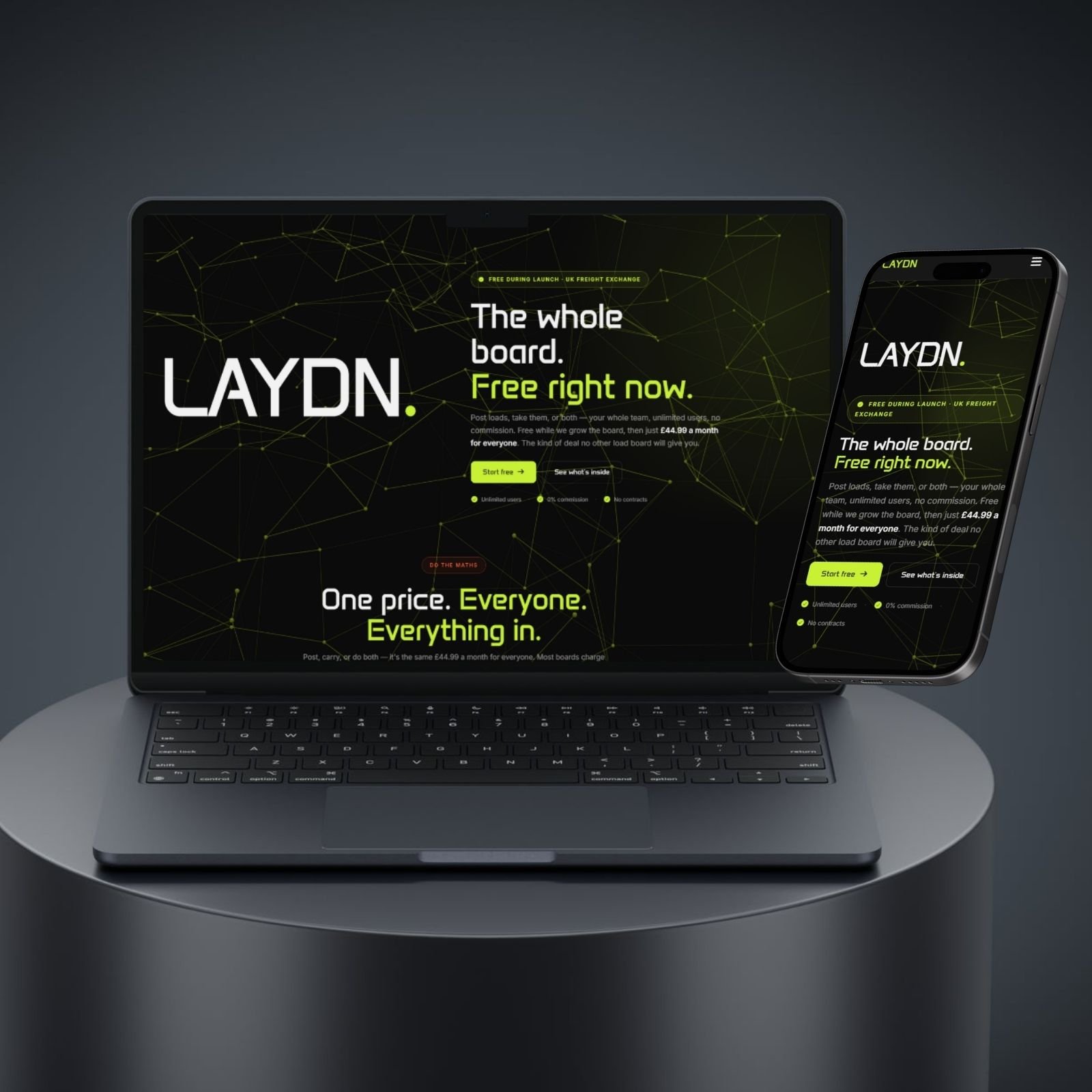
Laydn freight exchange shown across desktop, tablet, and mobile devices
Client Laydn
Sector Logistics — Freight Exchange
Coverage UK-wide marketplace
Build Type Two-Sided Marketplace Platform
Live Site laydn.co.uk
Year 2026
The Brief

Empty lorries, and a load board nobody enjoys using.

Laydn is a UK freight exchange — a load board connecting businesses that need freight moved with hauliers who have capacity to move it.

The economics of haulage turn on empty running. A lorry going home unloaded is a cost with no revenue against it, and the established exchanges have solved that with software most drivers openly dislike: passwords they cannot remember on devices they are using one-handed in a yard, matching that misses jobs twenty minutes away because a town was spelled differently, and no way to plug the thing into the transport management system they already run.

The other half of the brief was trust. A marketplace only functions if posters believe the haulier will turn up and hauliers believe they will get paid — and if operator licences and insurance are actually current, rather than something everybody assumes and nobody checks.

Build Specifications

The build, decoded.

Every Mako Digital case study includes a complete build specification — the actual technical decisions that made the project what it is.

Build Type Two-sided marketplace, built from scratch
Theme Bespoke — no parent theme, no page builder
Codebase 38,000+ lines of first-party code
Architecture 31 discrete handler modules
Authentication Passkeys — WebAuthn, no password required
Public API REST endpoints with key management and request logging
Developer Docs Published API documentation page
Load Matching Geocoded search with a coordinate cache
Load Lifecycle Posting, backloads, expiry and status transitions
Trust Layer Two-sided ratings between hauliers and posters
Compliance Operator document store with daily expiry checks
Alerts Saved load alerts on a 15-minute and hourly cadence
Notifications In-app notifications plus web push
Product Modules Planr, Roamr and Laydr alongside the core exchange
Mobile App-shell delivery for a native-feel experience
SEO Pattern Yoast kept for sitemap only, frontend output suppressed

Our Approach

Five build decisions that shaped the final site.

Every Mako Digital build follows a documented approach — consistent across every project, calibrated to each client’s industry, brand, and customer journey.

01

Passkeys, because hauliers do not want a password

The people using this platform are in cabs, on yards and in traffic. A forgotten password is a lost session and a lost load. Laydn authenticates with passkeys over WebAuthn — face or fingerprint on the device the driver is already holding, no password to reset and nothing phishable. It is the kind of decision that sounds like a technical detail and turns out to be the reason people keep using the thing.

02

A marketplace only works if both sides trust it

Freight exchange is a classic two-sided problem: posters need hauliers who turn up, hauliers need posters who pay. The build carries a ratings system running in both directions and an operator compliance document store with automated daily expiry checking, so an out-of-date insurance certificate or operator licence is caught by the platform rather than discovered after a job has gone wrong.

03

Matching loads properly means geography, not keywords

A load is only relevant if it is near you or near where you are heading, so search is built on geocoded coordinates with a caching layer rather than matching place-name strings. That is what makes backloads work — finding a return job on a route you are already running — which is the feature that turns an empty leg into revenue and is the single most persuasive reason for a haulier to sign up.

04

The load list nobody has to sit and watch

Nobody refreshes a load board all day. Hauliers save the routes and vehicle types they want, and scheduled jobs running every fifteen minutes match new postings against those alerts and push them out — in-app and via web push to the phone. Loads get seen minutes after posting instead of whenever somebody next opens a laptop.

05

Built as a platform other systems can plug into

Laydn ships a public REST API with issued keys, request logging and published documentation, so a haulier's existing transport management system can post and pull loads programmatically instead of somebody rekeying them. Around the core exchange sit the additional product modules — Planr, Roamr and Laydr — each built into the same codebase and the same account.

By the Numbers

The build at a glance.

38k+ Lines of
first-party code
31 Discrete handler
modules
9 Purpose-built
database tables
15min Load alert
match cadence
0 Passwords —
passkeys only
0 Page builders
used
If we wouldn’t put it on our own business, we wouldn’t put it on yours.
The Mako Digital Standard

Laydn Case Study: Mako Digital designed and built Laydn, a UK freight exchange and load board platform. The build delivered over 38,000 lines of first-party code across 31 handler modules and nine purpose-built database tables — passkey authentication over WebAuthn, geocoded load and backload matching with a coordinate cache, load lifecycle and expiry handling, two-sided ratings, an operator compliance document store with daily expiry checking, saved load alerts matched on a fifteen-minute cadence, in-app and web push notifications, app-shell mobile delivery, and a public REST API with issued keys, request logging and published documentation.

This is the build we point founders planning a marketplace or an industry platform at when they want to understand what it actually takes. See our custom CRM and platform development page, web design for logistics companies, or visit the case study archive for more examples.

FAQs

Common questions about the Laydn build.

What is Laydn?

A UK freight exchange — a load board where businesses with freight to move post loads and hauliers with capacity find them. Built from scratch by Mako Digital, it includes geocoded load matching, backload search, two-sided ratings, operator compliance checking, saved load alerts with push notifications, a public REST API, and passkey authentication.

Do you build marketplace platforms?

Yes. Marketplaces are their own discipline — you are building two products at once for two audiences with opposing incentives, plus the trust layer that makes them willing to transact. Laydn is the worked example. See our custom CRM and platform development page, or the other platform builds in the case study archive.

What are passkeys and why use them instead of passwords?

A passkey replaces the password with the biometric or PIN already on the user's device — face, fingerprint or device unlock — using the WebAuthn standard. There is nothing to forget, nothing to reset, and nothing that can be phished or reused from a breach elsewhere. For a platform used by people working away from a desk, removing the password removes the single biggest reason they stop logging in.

Can you build a public API for our platform?

Yes. Laydn ships REST endpoints with issued API keys, per-request logging and published developer documentation, so customers can integrate their own systems rather than rekeying data. If you want other businesses to build against your platform, the API needs designing as a product in its own right, not bolted on afterwards.

How do you handle location-based search and matching?

By geocoding to coordinates and caching the results, then matching on real distance rather than comparing place names as text. It is the difference between a load board that surfaces genuinely relevant work and one that misses a job twenty minutes away because the town was spelled differently. It is also what makes backload matching possible on a route the driver is already running.

How do you build trust into a two-sided marketplace?

Ratings in both directions, so reputation matters to both sides, and verification the platform enforces rather than trusts. Laydn stores operator compliance documents and runs a daily job checking for expiry, so a lapsed licence or insurance certificate is flagged automatically. Trust that depends on everyone being honest is not trust, it is hope.

How much does it cost to build a marketplace platform?

Scoped and priced individually — a two-sided marketplace with an API, compliance layer and mobile delivery is months of work. The most valuable early conversation is usually about what the minimum credible version looks like, because a marketplace with no users on either side is the hardest possible product to launch. We will be honest with you about that.

Is Laydn a real platform?

Yes. Laydn is a live UK freight exchange at laydn.co.uk, built and operated within the same group as Mako Digital — so we run it as a business as well as having built it.

More Like This

Other Mako Digital platform case studies.

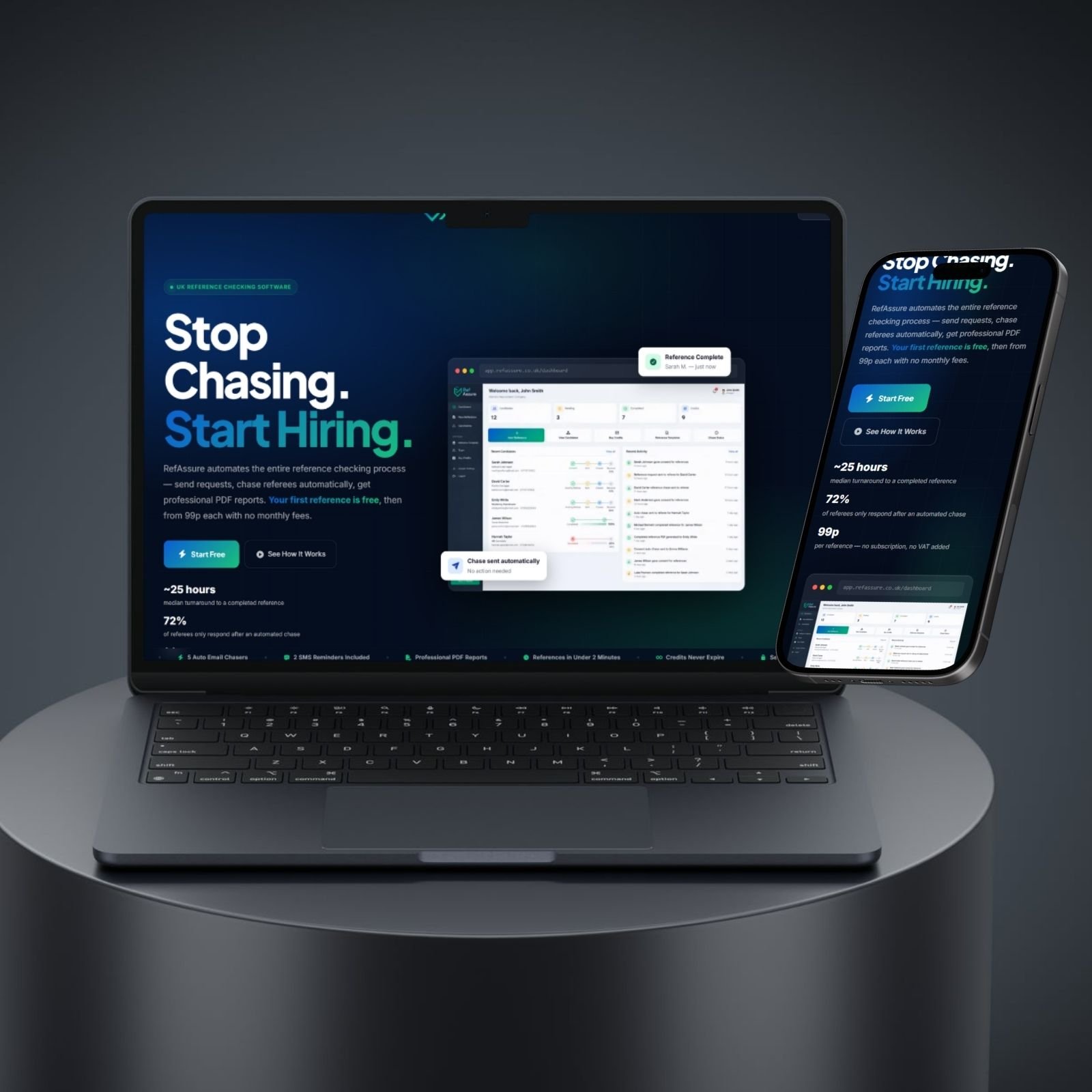
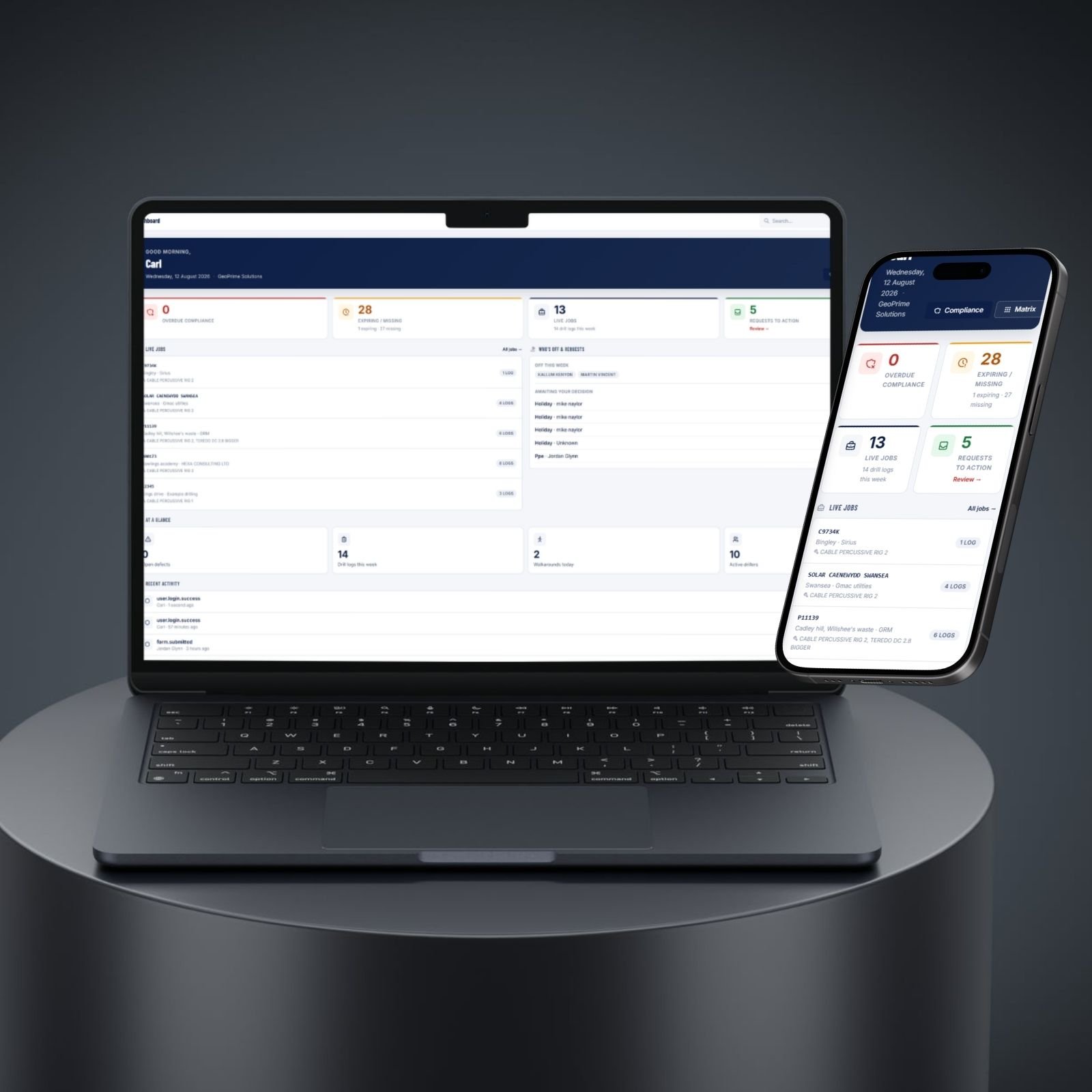
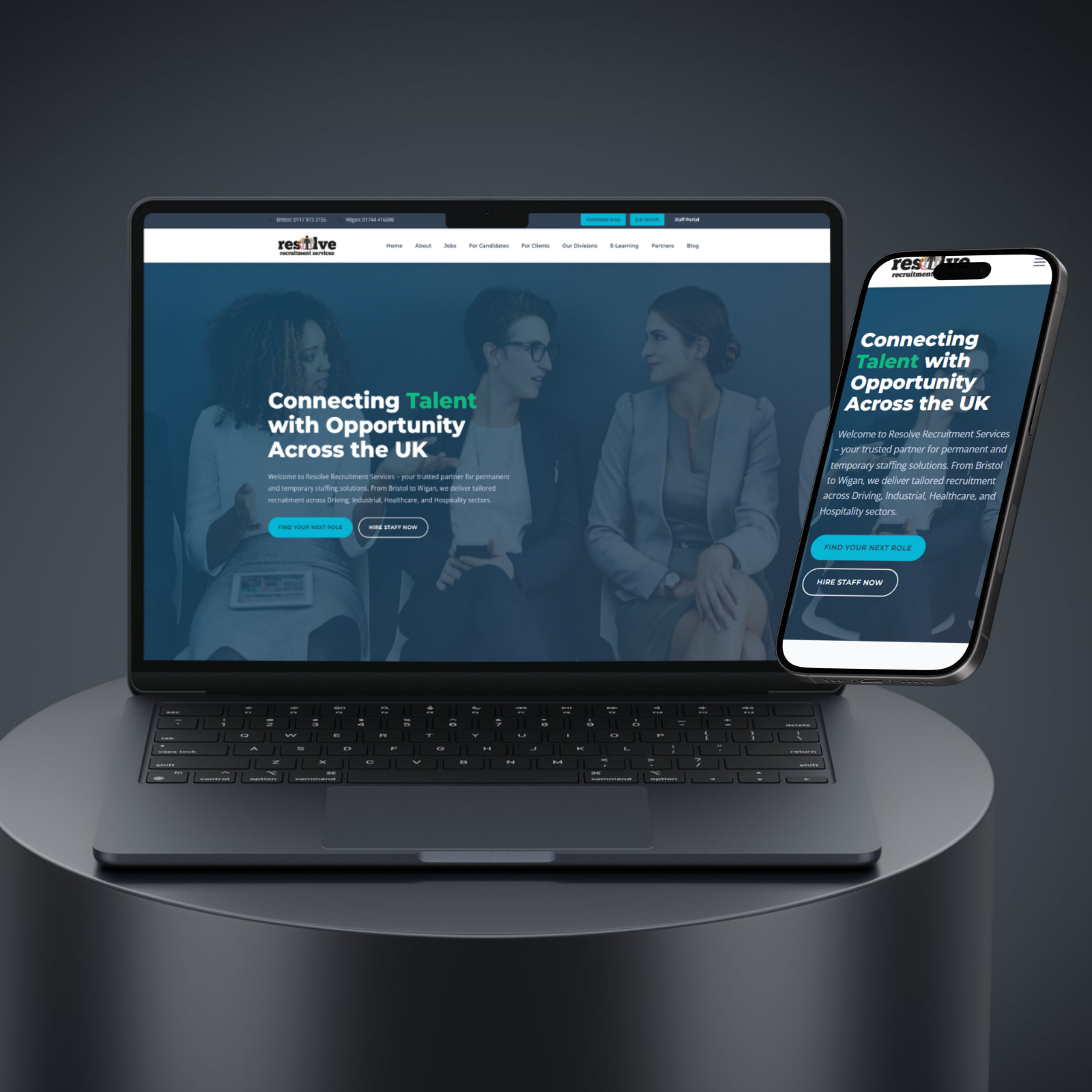
If Laydn is the kind of work you have in mind, these are the closest peers in our portfolio — full platforms, all built from scratch.

Your Build, Next?

Planning a marketplace or industry platform? Let’s talk.

Marketplace platforms are scoped and priced individually. Same approach as Laydn — remove the friction that stops people logging in, build the trust layer before you need it, and design the API as a product rather than an afterthought.